AI is quickly becoming part of event marketing, experiential activations, and attendee engagement. But the biggest opportunity may not be automation. It may be personalization.
While supporting an activation at a recent U.S. Chamber of Commerce Foundation AI + Work Summit, we heard a version of the same question again and again: how can organizations use AI to create better experiences without losing the human connection that makes events valuable?
That question matters for event marketers too. Attendees don’t come to conferences, trade shows, festivals, and corporate events looking for automation. They come for memorable experiences, meaningful interactions, and opportunities to connect.
The brands seeing the most success with AI are using it to create more relevant, personalized, and engaging moments for attendees.
Every attendee arrives with different goals.
The challenge for event organizers has always been creating experiences that feel relevant to thousands of different people at the same time.
Instead of creating one experience for everyone, brands can create experiences that adapt to individual attendees.
The result is higher engagement, stronger participation, and more memorable event experiences.
Personalization doesn't have to be complicated.
In fact, some of the most effective examples are surprisingly simple. For event marketers, personalization can take many forms depending on the audience, event goals, and attendee journey.
Examples include:
The common thread is that attendees receive something that feels unique to them.
That personal connection makes people more likely to participate and share their experience.
Automation certainly has a place in events.
Registration systems, scheduling tools, and attendee communications can all benefit from AI-powered efficiencies.
But automation doesn't automatically create engagement.
An attendee doesn't remember how efficiently they checked in.
They remember how the event made them feel.
The most successful event experiences combine operational efficiency with meaningful personalization.
Technology should support the experience, not become the experience.
One area where personalization is having a major impact is event photography.
Traditional event photos capture a moment.
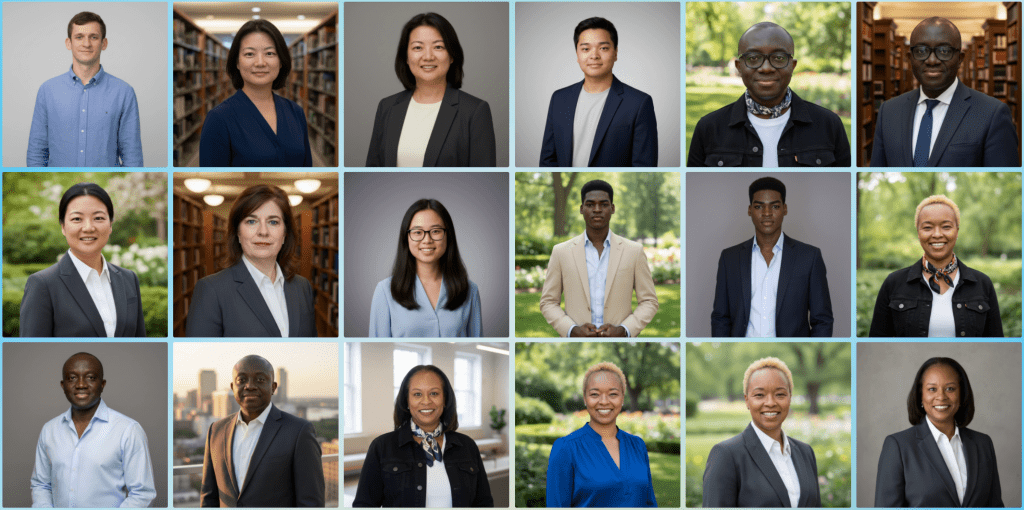
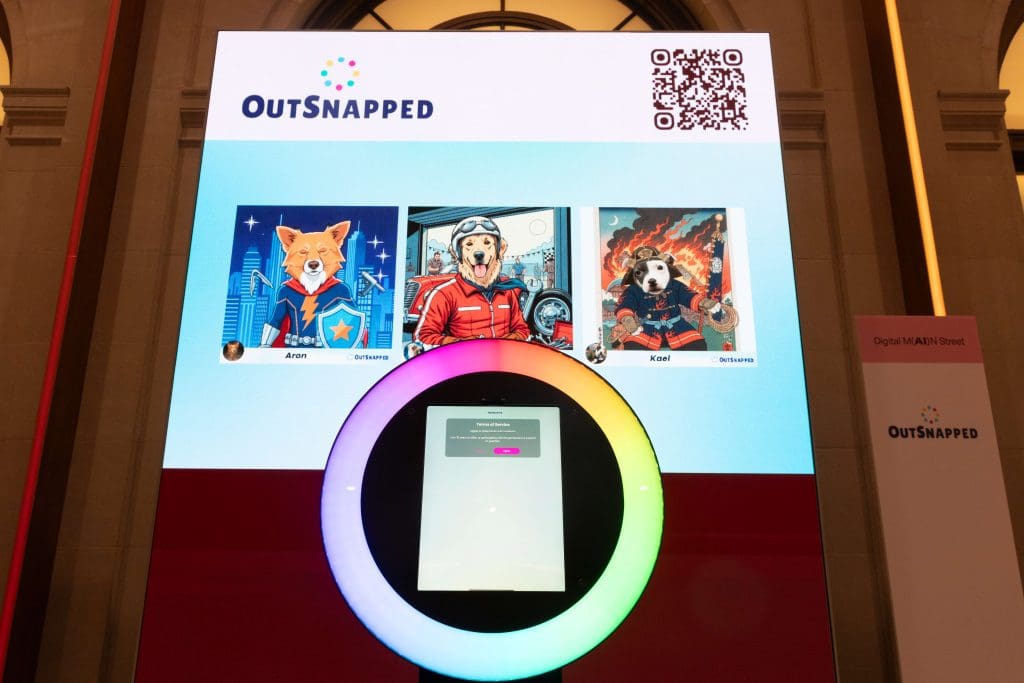
AI-powered photo experiences allow attendees to become part of the story.
Guests can see themselves transformed into athletes, movie characters, brand ambassadors, or custom campaign concepts within seconds.
Instead of receiving the same output as everyone else, they receive something that feels uniquely theirs.
That creates stronger engagement, more social sharing, and more user-generated content.
For brands, it also creates a more memorable connection with attendees.
When people feel personally connected to an experience, they are more likely to:
These outcomes are becoming increasingly important as brands look for ways to measure event ROI beyond attendance numbers.
Engagement, participation, and user-generated content often provide a clearer picture of event success than foot traffic alone.
The future of event technology isn't about removing people from the process.
It's about helping event organizers create experiences that feel more personal at scale.
As AI becomes more common in experiential marketing, conferences, trade shows, and brand activations, the organizations that stand out will be the ones using it to enhance the attendee experience.
The goal isn't to automate every interaction.
The goal is to make every interaction feel more relevant.
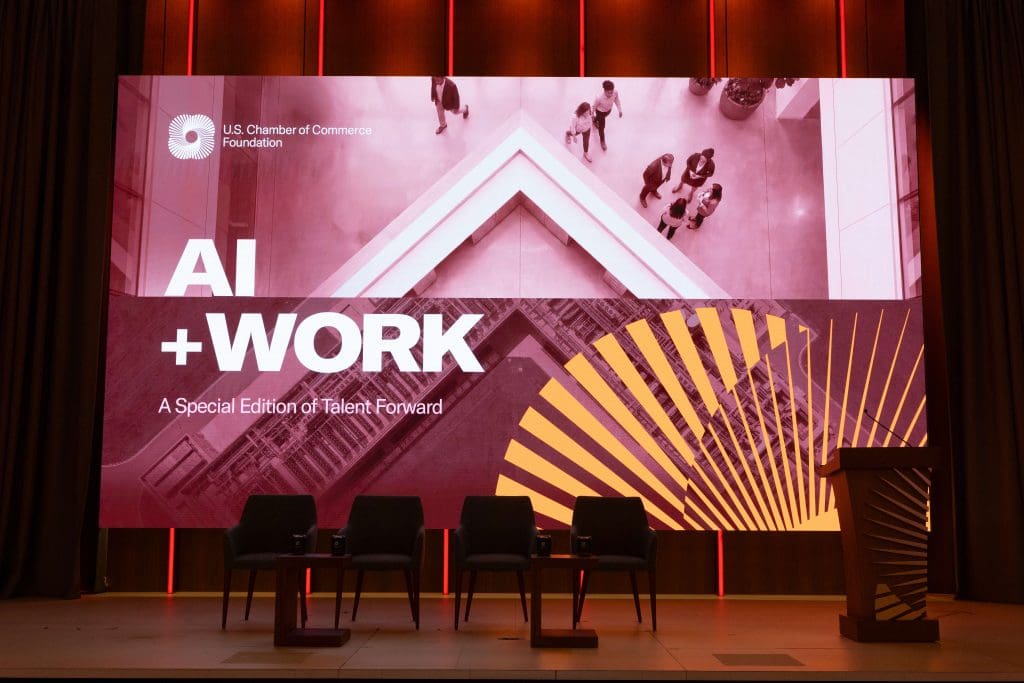
The conversations we heard at the U.S. Chamber of Commerce Foundation event reinforced this idea. Across industries, organizations are exploring how AI can create better experiences, not by replacing people, but by helping interactions feel more relevant, more engaging, and more personal.
The most successful AI-powered event experiences won't be the ones that automate the most tasks.
They'll be the ones that create the most meaningful connections.
That's why the future of event engagement isn't automation.
It's personalization.
AI personalization uses artificial intelligence to create customized experiences, content, or interactions based on attendee interests, preferences, or behavior.
AI can increase engagement by creating more relevant experiences for attendees, encouraging participation, and making interactions feel more personal.
Examples include AI photo booths, AI headshots, personalized content recommendations, networking suggestions, interactive activations, and branded AI experiences.
Personalization helps attendees feel connected to the experience, which can increase participation, social sharing, user-generated content, and overall event satisfaction.
Yes. AI can help attendees discover relevant sessions, connect with like-minded professionals, and participate in personalized activations throughout an event.
Automation focuses on efficiency and streamlining processes. Personalization focuses on making experiences more relevant and meaningful for individual attendees.
AI photo experiences create personalized content that attendees are more likely to interact with, share online, and remember after the event.
Corporate events, trade shows, conferences, festivals, sporting events, retail activations, and experiential marketing campaigns can all benefit from AI-powered engagement tools.